How to Start a Nicotine Pouch Brand: A 9-Step Private Label Guide
Step-by-step guide to launching a private label nicotine pouch brand: market choice, regulations, positioning, flavors, packaging, samples, MOQ, distribution.
Starting a nicotine pouch brand means picking a market where pouches can be sold legally, defining a small range of flavors and strengths, and working with an OEM manufacturer that formulates, packs and produces the product under your name. You do not need a factory. You need a clear brief, a compliance plan for your market and a route to retail.
The nine steps below follow the order most brand owners work through them, and each step feeds the next.
What are the steps to launch a nicotine pouch brand?
| Step | Key decision | What to have ready |
|---|---|---|
| 1. Choose a market | Where you can sell and who will buy | Market and channel research |
| 2. Check regulations | Classification, age limit, nicotine cap, flavor and label rules | Written advice from local counsel |
| 3. Position the brand | Price tier, adult target consumer, point of difference | Brand name and trademark search |
| 4. Build the line-up | Flavors and strengths | Shortlist of 3 to 5 SKUs |
| 5. Design packaging | Can, lid, label, warnings, cartons | Artwork brief and barcodes |
| 6. Test samples | Flavor, strength, moisture, pouch feel | Feedback from buyers in your market |
| 7. Agree MOQ and first order | Quantity per SKU and trade terms | Purchase order and payment terms |
| 8. Production and QC | Approval of recipe and pre-production sample | Lab report checklist |
| 9. Distribution | Wholesale, retail and online channels | Importer setup and logistics partner |
Step 1: Which market should you launch in first?
Launch in one market, prove the product sells, then expand. When comparing candidates, look at:
- Legal status. Some countries allow pouches with few restrictions, some regulate them heavily and some have banned them.
- Existing demand. Markets with a snus or pouch culture have informed consumers and established shelf space. Newer markets have less competition but need more consumer education.
- Price level and competition. Check shelf prices and how many brands already sit in convenience stores, tobacconists and petrol stations.
- Your own position. An importer licence, a warehouse, a sales team or existing retail relationships count for more than a slightly larger market elsewhere.
Step 2: Which regulations should you check before you commit?
Check how the market classifies nicotine pouches, the minimum age of sale, any nicotine limit, flavor restrictions, labelling and warning rules, notification or registration duties, excise tax and online sales rules. These points decide what you can put in the can and what must be printed on it.
Each point is covered in our nicotine pouch regulations checklist for importers. Rules change often, so treat any summary as a starting point as of 2026 and get written confirmation from local counsel. A manufacturer can prepare labels and documents for your market, but legal responsibility for market entry stays with the importer.
Step 3: How should you position a new nicotine pouch brand?
Positioning tells the factory, the designer and your retailers what the product is for. Decide on:
- Price tier: value, mainstream or premium. This drives can finish, printing method and how much you invest in custom flavors.
- Target consumer: adult nicotine users of legal age in your market, such as existing snus users, experienced pouch users or adults looking for flavor variety. Avoid names, colours or imagery that could appeal to minors; regulators look closely at this.
- Point of difference: a signature flavor, a capsule format, a strength range or a distinctive design.
- Trademark: search and file your brand name in the target market before any artwork is printed.
Step 4: Which flavors and strengths should you launch with?
Launch with 3 to 5 SKUs. Mint is the best-selling flavor family in most markets, so most ranges are built around one or two mint SKUs, with fruit or dessert flavors to stand out. Cover two or three strength levels so retailers can offer a lighter, a regular and a stronger option.
An example starter range built from existing catalogue recipes:
| Role in range | Example flavor | Strength |
|---|---|---|
| Core mint | Spearmint | 8 mg |
| Strong mint | Ice Cool | 14 mg |
| Fruit | Red Fruits or Tropic Breeze | 10 mg |
| Coffee or dessert | Coffee | 14 mg |
| Differentiator | Doublemint Icing capsule | 6 or 12 mg |
For OEM projects, strengths and flavors can be adjusted to your market. Our strength guide for brands explains how to build a strength ladder, and what are capsule nicotine pouches covers the burst-bead format.
Step 5: What has to go on nicotine pouch packaging?
Most pouch brands use a round can. JADEHARE’s PP round can holds 20 pouches in the classic white range and 16 in the BLAST capsule range, with a two-layer lid compartment for used pouches. Your branding lives on the can colour, lid embossing, label and outer carton.
Mandatory content differs by market, but expect to need some or all of:
- Health warning in the prescribed wording, size and language
- Nicotine content (per pouch, per gram, or both)
- Ingredient list
- Manufacturer and importer name and address
- Batch number and best-before date
- Age restriction notice and a barcode (EAN or UPC)
Have the artwork checked against your regulatory checklist before printing. Also plan storage: shelf life is 18 months when stored below 20 °C, which affects warehouse choice and stock levels.
Step 6: Why should you test samples before ordering?
Samples show whether the flavor, strength, moisture and pouch feel suit your market. Test them with the people who will buy from you: retail buyers, distributors and a panel of adult pouch users. Compare them side by side with the leading products on your target shelf.
Use the feedback to brief changes. Cooling, sweetness, moisture and nicotine level can all be tuned during formulation. Ask for lab documents at this stage too, so you know what paperwork will come with production.
Step 7: What MOQ and first order should you plan for?
There are two common routes. White label uses a manufacturer’s existing recipe in your packaging and is the faster start. Private label means a recipe and packaging developed for you, which takes more sampling rounds. Our article on white label vs private label nicotine pouches compares them in detail.
At JADEHARE, agent pricing on existing products starts at 10,000 cans per order. Private label MOQ is quoted per project, because it depends on flavor, strength, can colour and printing method. When you plan the first order:
- Weight the quantity toward your expected best-seller instead of splitting it evenly.
- Order with the 18-month shelf life in mind, including time in transit and on retail shelves.
- Agree payment terms, Incoterms and inspection terms in writing.
Step 8: How do production and quality control work?
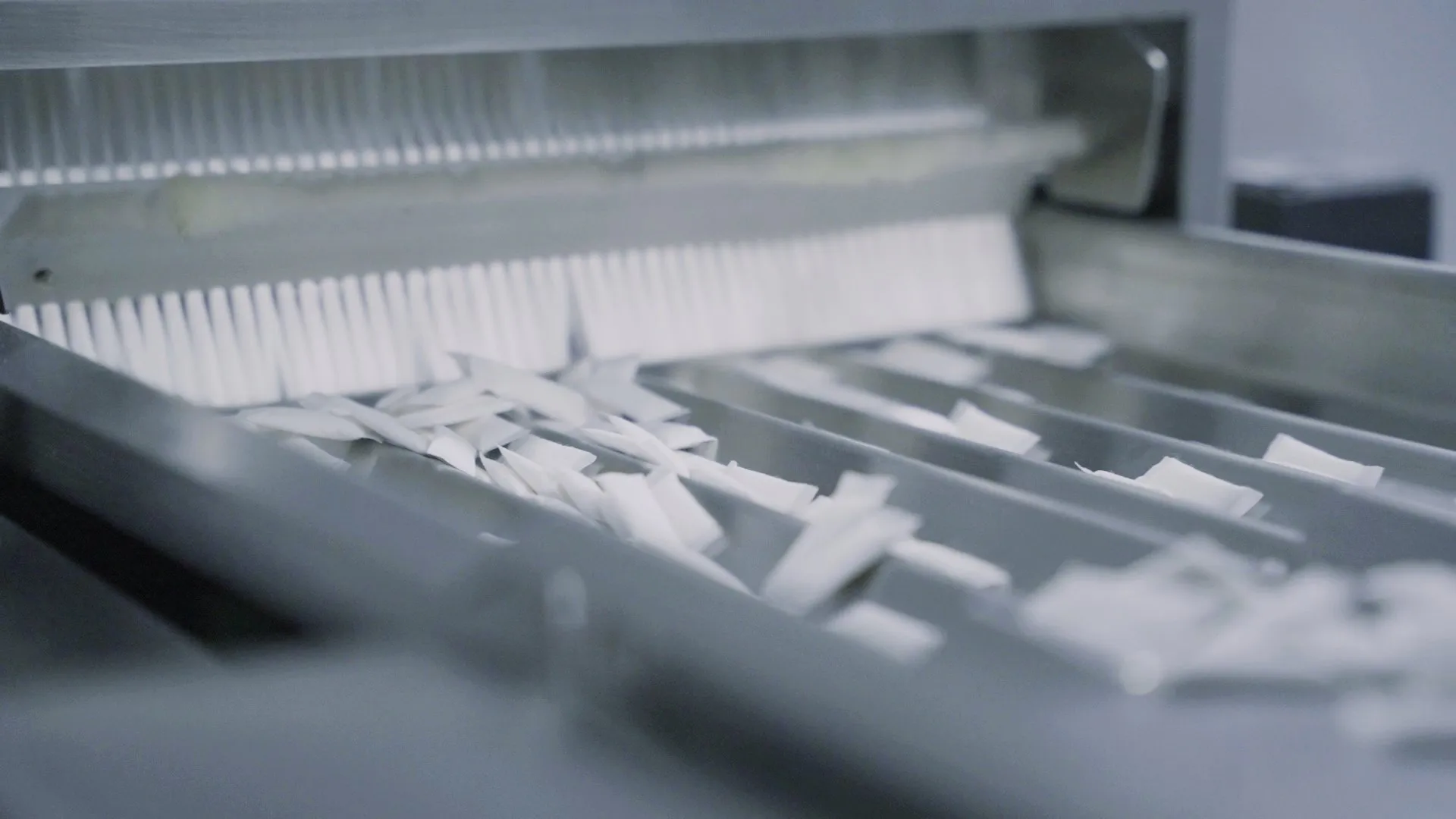
A typical OEM project runs through seven stages: brief, samples, formulation, packaging design, compliance check, mass production, and QC and shipping. You approve the final recipe and the artwork before mass production starts.
Before production, agree which documents ship with each batch. A useful minimum is nicotine content per pouch, moisture, pH and microbiology, plus batch numbers and production dates that match the cans. Keep a retained sample from the approved batch so later batches can be compared against it.
Step 9: How do you get the product into distribution?
Set up the importer of record, any licences and, where excise applies, the duty process before goods ship. Then build your channels:
- Wholesalers and distributors that already supply convenience stores, tobacconists and petrol stations
- Direct retail to chains or independent stores
- Online sales only where permitted, with age verification at order and at delivery
Give your sales team and retailers product photography, flavor descriptions and sell sheets. Plan reorders early and check that your manufacturer can absorb a successful launch: our Beijing production line makes more than 3,000,000 cans per month, and regional partners get priority scheduling. The distributor programme explains the agent and partner tiers.
Which mistakes do new pouch brands make most often?
- Printing cans before the legal review is finished
- Launching too many SKUs and spreading the first order thin
- Ignoring storage temperature in hot warehouses or shipping containers
- Assuming one market’s rules apply in another
Ready to brief your first range?
If you are planning a nicotine pouch brand, send us your target market, flavors, strengths and expected volume, and we will reply with samples, MOQ and a quote for your specification. Read about our OEM and private label service, browse the white nicotine pouch range, or contact us to request samples.
FAQ
How much does it cost to start a nicotine pouch brand?
It depends on how many SKUs you launch, how much you customise and which market you sell into. The main cost items are product cost per can, packaging design and printing, lab testing, registration or notification fees, excise duty, shipping and marketing, so ask manufacturers to quote your exact specification.
How many flavors should a new nicotine pouch brand launch with?
Most new brands launch with 3 to 5 SKUs. A mint SKU is usually the anchor, with one or two fruit or dessert flavors to stand out, spread across two or three strength levels.
Do I need my own factory to start a nicotine pouch brand?
No. Most new brands work with an OEM manufacturer that handles formulation, filling, packaging and quality control, while the brand owner handles the brand, distribution and legal compliance in the target market.
What is the minimum order for a private label nicotine pouch brand at JADEHARE?
Agent pricing on existing JADEHARE products starts at 10,000 cans per order. Private label MOQ depends on flavor, strength, can colour and printing method, so it is quoted per project.